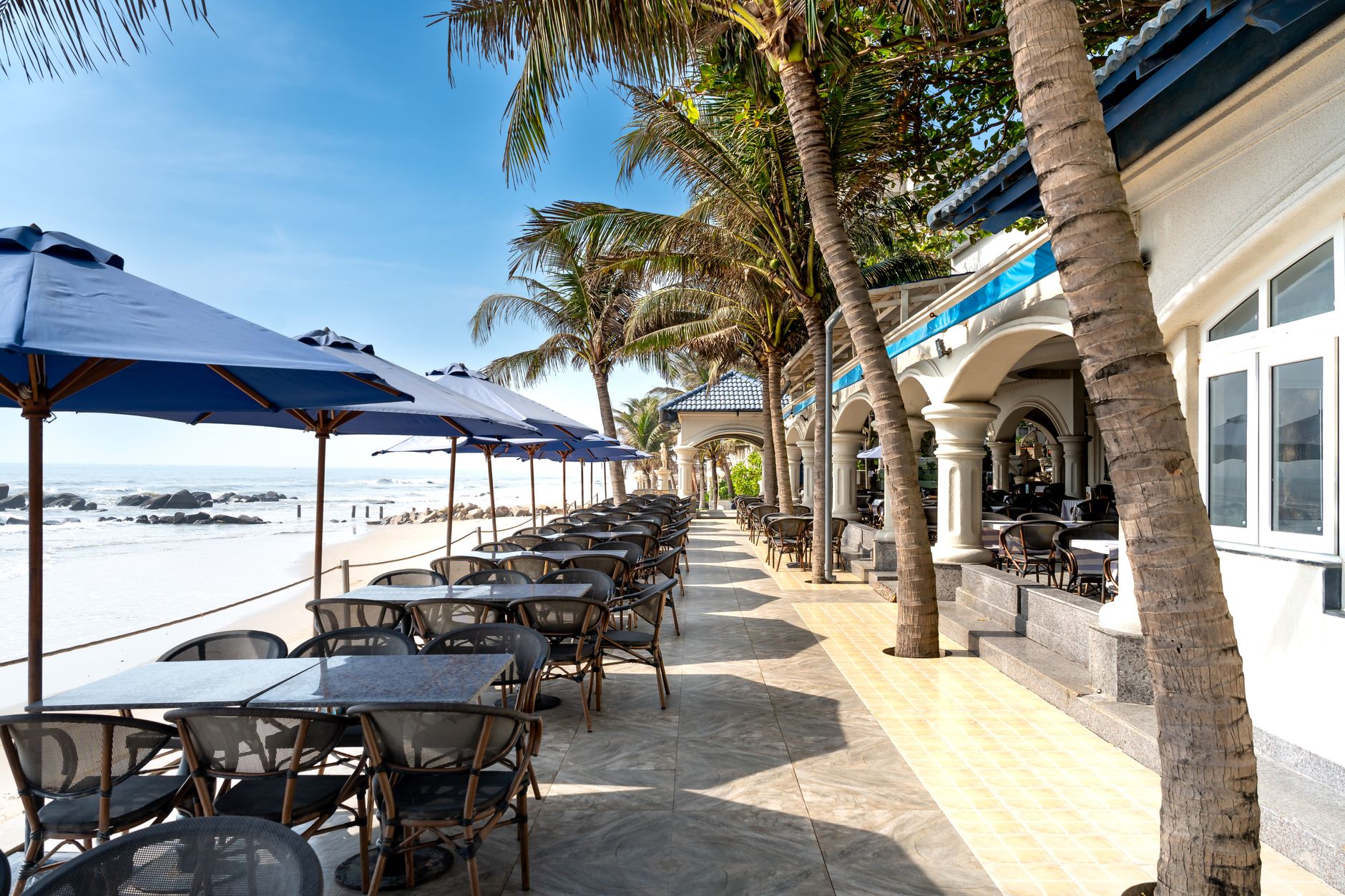
Over 130,000 attendees are projected to descend on Long Beach for the May 2026 California State University, Long Beach (CSULB) commencement ceremonies. For local restaurateurs, this massive influx of graduates and their families represents the kind of demand shock that keeps the lights on. Yet, beneath the surface of sold-out reservation books and packed patios along 2nd Street, the Long Beach hospitality sector is fighting a brutal, multi-front margin war.
While the Los Angeles–Long Beach–Anaheim metro area has finally seen a population rebound—adding 41,000 new residents after severe pandemic-era contractions—the cost of operating a restaurant in this coastal hub has skyrocketed. Local operators are being squeezed by a complex web of hyper-localized wage ordinances, soaring energy bills, and macro-economic port volatility. As one 15-year Long Beach operator noted, inflation and the sheer cost of doing business have become the ultimate killers, driving regional profit margins down by 1.6 percentage points over a single year.
The Inflation Disconnect: 2% Menu Hikes vs. 24.5% Gas Spikes
In 2026, the pricing power of the American restaurant has hit a ceiling, and Long Beach is ground zero for this resistance. According to April 2026 Bureau of Labor Statistics (BLS) data for the LA area, the overarching Consumer Price Index (CPI-U) is up 3.7% year-over-year. However, the data reveals a chilling disconnect for restaurant operators.
Food away from home (restaurant pricing) is up just 2.0% year-over-year, lagging significantly behind grocery inflation (4.3%) and trailing far behind crushing overhead costs.
Operators are actively eating the difference to avoid scaring off price-sensitive diners. While menu prices have largely stabilized, the operational inputs have not. Energy costs in the metro area have spiked 14.7% year-over-year, and gasoline is up a staggering 24.5%. For an industry reliant on delivery drivers, commuting staff, and regional tourism, this energy volatility is an existential threat. If you want to understand how these metrics are rippling across the wider county, read our deep dive into the Los Angeles Survival Math.
The Labor Cost Labyrinth: From $16.90 to $26.50
The most pressing pain point for Long Beach restaurateurs is the sheer complexity and aggressive scale of the local labor market. Navigating wage compliance here requires an advanced degree in civic policy.
- The Statewide Baseline: California's minimum wage sits at $16.90 per hour as of January 2026.
- The Fast Food Floor: The $20 per hour fast-food wage enacted via AB 1228 continues to act as a magnet, forcing independent, full-service restaurants to artificially raise base pay simply to compete for line cooks and dishwashers.
- The Local Sectoral Shock: For specific categories in Long Beach, the wage floor is stratospheric. By July 2026, hotel workers at properties with 100+ rooms and certain concessionaire workers (such as those at the Long Beach Airport and Convention Center) are looking at mandated rates of $26.50 per hour.
This localized wage pressure creates an immense administrative and financial burden. Los Angeles County's unemployment rate sits at a sticky 5.9%, and EDD forecasts project a decline of 4,800 payroll jobs in Accommodation and Food Services this year. Operators simply cannot afford to overstaff. They are aggressively trimming hours, rethinking dayparts, and searching for efficiency wherever possible. In an era of razor-thin profitability, administrative bloat is fatal, which is exactly Why Manual Review Management is Killing Your Restaurant's Margins.
The Port, the Tariffs, and Local Wallet Share
You cannot analyze the Long Beach dining economy without looking at the water. The Ports of Los Angeles and Long Beach are the beating heart of the region's working-class and logistics economy. However, 2026 has brought elevated trade uncertainty, with tariff threats and ship cancellations creating deep anxiety on the docks.
When port hours get cut, discretionary income vanishes. This directly impacts neighborhood dining. Furthermore, broader immigration enforcement anxieties have created a dual crisis for the local hospitality sector: a sudden contraction in labor availability and a chilling effect on consumer traffic. We saw this play out vividly when restaurants and street vendors across the region were forced to close temporarily. Community anchors in Long Beach, like El Barrio Cantina, had to rely on community fundraising and special events just to weather the disruption.
Neighborhood Micro-Economies: Where the Magic Still Happens
Despite the crushing macro-economics, Long Beach remains one of the most culturally vibrant and resilient food cities in Southern California. The survival strategy here is increasingly tied to hyper-local identity and experiential dining.
Belmont Shore and the "Third Place" Pivot
In Belmont Shore, operators are leaning hard into community positioning. Take Taco Shore, a rebrand of a legacy neighborhood staple. The owners have explicitly cited rising food and labor costs as their top challenges, but they are fighting back by turning their space into a neighborhood hub. By pairing authentic Mexican cuisine with craft cocktails and localized events, they are maximizing the high-margin beverage spend and solidifying their status as a local "third place."
Cambodia Town: Food as Cultural Infrastructure
Along Anaheim Street, Cambodia Town stands as a testament to the power of food as cultural infrastructure. Restaurants here are not just transactional eateries; they are community anchors. Massive venues like Hak Heang serve as the default locations for weddings, graduations, and generational celebrations. This embedded community reliance provides a critical buffer against transient dining trends and economic downturns.
Downtown Long Beach (DTLB)
In the urban core, small businesses are surviving through pure grit and strategic localized support. Grant programs and technical assistance have become lifelines for smaller operators, allowing women-owned, single-location storefronts to keep their staff employed despite the inflationary pressure surrounding them.
Digital Lifelines and the Event-Driven Economy
With walk-in traffic suppressed by inflation, Long Beach operators are surviving on two critical pillars: digital optimization and event-driven surges.
First, digital ordering is no longer a secondary revenue stream; it is structurally permanent. Looking at national bellwethers like Chipotle, which reports digital sales at 36.7% of total food and beverage revenue, it is clear that Southern California consumers expect seamless off-premise options. For Long Beach operators battling 14.7% energy spikes, optimizing the digital storefront is non-negotiable.
Second, the city's hospitality economy is heavily buoyed by event-linked demand shocks. Whether it is the Acura Grand Prix weekend, massive exhibits at the Aquarium of the Pacific, or the CSULB commencement, these localized surges require aggressive marketing and promotional agility. Operators who capture this traffic thrive; those who miss it starve. This reliance on tourism and event cycles mirrors the dynamics we track closely in our analysis of the San Diego Squeeze.
The 2026 Long Beach Survival Playbook
How do you survive in a city with $26.50 sectoral wages, a 24.5% spike in gas prices, and shifting port economics? The operators winning in Long Beach right now are executing a highly disciplined playbook:
- Experience Over Transactions: Diners are protective of their budgets, but they will spend on experiences. The local craft beer scene remains robust (with Long Beach spots like ISM Brewing taking gold at the World Beer Cup) because taprooms offer a programmable, high-energy environment.
- Event Capture: Successful restaurants are integrating directly with local event calendars, offering targeted promotions to graduates, Grand Prix attendees, and convention-goers to guarantee volume during peak weekends.
- Digital Reputation Dominance: When a tourist comes to town for an event, their first stop is Google Maps. Your rating dictates your revenue.
In 2026, a 4.2-star rating won't cut it when the restaurant next door has a 4.8. Managing your online reputation across Google, Yelp, and DoorDash is the most cost-effective marketing lever you have in an inflationary market.
Take Control of Your Local Demand
Long Beach operators cannot control the price of gas, the port tariffs, or the state minimum wage. But you can control how often a new customer walks through your door. ReviewReport is the ultimate AI-driven reputation management platform designed specifically for the hospitality industry. Stop losing hours manually responding to reviews across different apps. With ReviewReport, you can unify your digital presence, automate personalized responses, intercept negative feedback before it goes public, and drive authentic 5-star reviews that push you to the top of local search. Protect your margins and dominate your neighborhood. Try ReviewReport today.