The $10.4 Billion Mirage
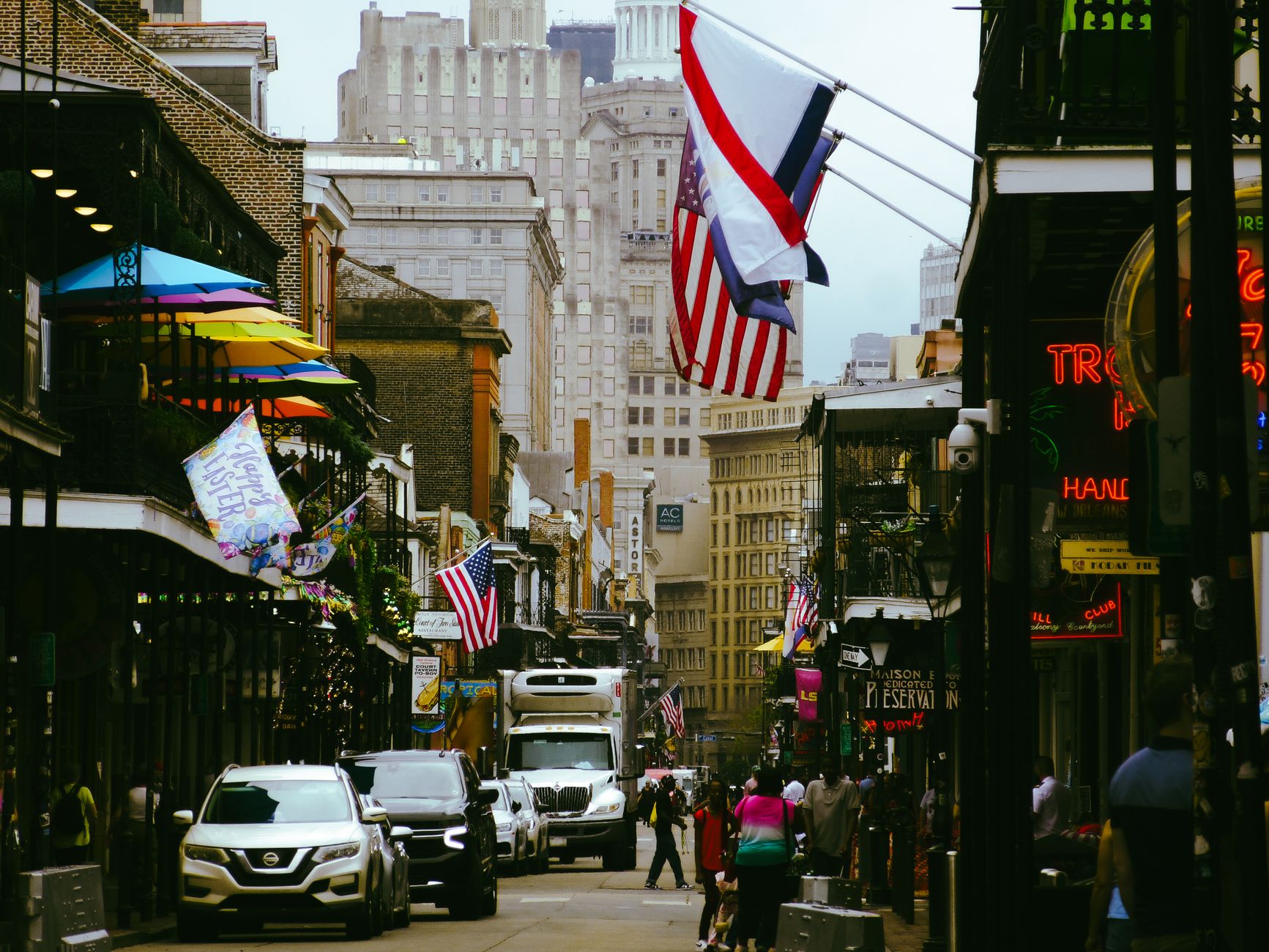
New Orleans visitor spending just hit a staggering $10.4 billion, fueled by 19.08 million tourists pouring back into the French Quarter, the Bywater, and the Warehouse District. But behind the brass bands, the overflowing convention halls, and the Bourbon Street foot traffic, Crescent City operators are fighting a brutal margin war. If you look past the headlines of rebounding tourism and Taylor Swift-driven mega-spikes, a quieter, much harsher economic reality has taken hold in 2026.
In 2024, visitor volume jumped 6.4% year-over-year, nearly touching the all-time 2019 peak of 19.75 million. Hotel bookings followed suit with an identical 6.4% rise. The city is actively doubling down on this momentum: a massive $600 million, 1,000-room Omni headquarters hotel proposal adjacent to the Convention Center is poised to cement New Orleans as an apex destination for large-scale corporate events. When a three-night mega-concert run can draw over 150,000 visitors, smash MSY passenger records with 32,134 travelers, and generate a staggering $500 million in total economic impact, the ceiling for hospitality revenue looks limitless. Yet, speak to operators from Bayou St. John to Tremé, and they will tell you the truth: top-line revenue is vanity, and bottom-line profit is sanity.
The Seasonality Whip: Surviving the Summer Trough
The New Orleans restaurant industry is shackled to an unforgiving seasonal calendar. Short-term rental (STR) data from Rabbu paints a stark picture of this volatility. While active Airbnb listings currently sit at roughly 3,301 with an average daily rate of $252, it is the month-to-month demand swing that breaks independent operators.
Average STR revenue in New Orleans peaks at a massive $4,552 per listing in March, riding the wave of Mardi Gras and the spring festival circuit. By June, that figure plummets to a dismal $1,827.
For restaurants, this data dictates a brutal reality: you have to hoard cash in the spring to keep the lights on in July. It is a feast-or-famine cycle that punishes undercapitalized kitchens. Furthermore, aggressive changes to STR policies have structurally altered neighborhood dining. The owner of Who Dat Coffee Cafe, a beloved neighborhood staple, publicly noted that drastic STR regulation changes essentially 'pulled the rug out' from their business plan. With over 50% of neighborhood STRs slashed in certain zones, predictable foot traffic vanished, directly impacting staffing stability and localized revenue.
The 42.4% Energy Shock and the Labor Illusion
Compounding the summer slump is a ferocious inflationary environment. The Bureau of Labor Statistics (BLS) reports that the South Region's food away from home index rose 3.6% year-over-year in 2026. But the real margin killer is energy. The South energy index has spiked 22.9%, with gasoline prices surging a crippling 42.4% year-over-year. Whether you are running catering delivery routes through Mid-City or simply paying the utility bill to keep your walk-ins cold during a July heatwave, these skyrocketing fixed costs are devouring net income. This energy shock echoes trends we have tracked across the entire Sun Belt; if you are struggling to balance menu prices against utility bills, read our analysis on The Miami Squeeze: 34.2% Gas Spikes, $15 Wages, and the 2026 Margin War.
On paper, Louisiana looks like a haven for low labor costs. The state has no mandated minimum wage law, meaning employers default to the federal floor of $7.25 per hour. However, this statutory minimum is an absolute illusion in 2026. The Food Services & Drinking Places sector in the New Orleans-Metairie MSA employs around 47,300 workers—a number that has flatlined since 2024. With a statewide unemployment rate of 4.5% and persistent racial and gender wealth disparities in the hospitality cluster (where average wages hover just above $34,000 annually), operators are engaged in a fierce bidding war for reliable talent. You cannot staff a high-volume kitchen in the French Quarter on $7.25 an hour. The market dictates a much higher wage, squeezing margins further. This dynamic of a low statutory floor masking extreme competitive wage pressure is a recurring theme nationally—see our deep dive on The Raleigh Paradox: 66 New Residents a Day, a $7.25 Wage Floor, and the 2026 Margin War.
Regulatory Red Tape and the Seafood Dragnet
Beyond labor and energy, New Orleans operators are currently navigating a brutal compliance landscape. Take the recent crackdown on seafood transparency. In an effort to protect the local Louisiana seafood industry, state enforcement agencies ramped up inspections regarding the menu disclosure of imported shrimp and crawfish.
- 919 restaurants were cited in a single year for disclosure failures.
- 319 establishments were officially fined.
- Approximately $113,000 in penalties were invoiced to local operators.
For independent operators, this represents a massive operational and reputational risk. Miss a sign on your menu, and you are hit with a fine that wipes out a weekend’s profit. When you add in the City of New Orleans’ labyrinthian permitting process—where alcohol permits via the ATC require a strict mandate that food and non-alcoholic beverage sales exceed 50% of total revenue, coupled with a 35-day issuance window—opening or pivoting a concept is fraught with costly friction.
The Logistics of Peak Demand
Even the biggest demand drivers come with logistical nightmares. The Carnival and French Quarter Enhanced Safety Zones bring strict bag limits, vehicle restrictions, and mandatory security searches. While absolutely necessary for public safety, these measures severely bottleneck supply chain deliveries and staff commuting during the most profitable weekends of the year. Public safety perception remains a crucial variable for operators. Q1 2026 indicators from the NOPD offer cautious optimism—murders are down to 20 from 27 the previous year, and armed robberies dropped to 54 from 59. However, the lingering presence of property crime means that secure, well-lit parking and proximity to these enhanced safety zones remain premium amenities for diners.
Menu Shifts and the Cautious Consumer
Consumer tastes in the Crescent City are also shifting beneath the surface. While New Orleans will always be the undisputed capital of gumbo, po'boys, and charbroiled oysters, local operators are noticing a rising demand for plant-based and healthier options. This isn't exclusively driven by strict vegans; it is heavily fueled by 'flexitarians' looking for lighter meals during a heavy culinary trip. A 2025 PubMed study analyzing healthy eating programs found that 83.7% of restaurant managers believe they can influence eating behaviors, and 77.6% feel a responsibility to offer healthy options. The challenge is balancing a menu that caters to both the indulgent tourist and the health-conscious local without driving up food waste.
As operators try to pass rising costs onto a value-sensitive consumer, reputation becomes the ultimate tiebreaker. National data highlights a 'cautious consumer' meticulously planning their dining choices to maximize value. If a family is traveling to New Orleans and paying $252 a night for an Airbnb, they are reading every single Google review before committing $150 to a dinner reservation. A single unaddressed negative review can derail thousands in potential revenue. Worse, malicious reviews from competitors or disgruntled ex-employees can tank a rating overnight. If you have been targeted, check out our definitive guide on How to Handle a Fake 1-Star Review on Google (2026 Guide). Managing this digital footprint manually is no longer viable when you are fighting margin fires in the kitchen. In fact, if you are still manually logging in to respond to Yelp and Google, you are losing money. Learn more about Why Manual Review Management is Killing Your Restaurant's Margins.
The 2026 Survival Playbook
The 2026 New Orleans restaurant landscape is a masterclass in resilience. The tourists are here, the spending is up, and the cultural cachet of this city remains globally unmatched. But the margin for error has completely vanished. Between 42.4% gas spikes, aggressive compliance stings, and the brutal reality of the summer shoulder season, operators must optimize every square inch of their business to survive.
Your online reputation is the digital front door to your restaurant, and in a market this competitive, it needs to be flawless. Stop letting seasonal slumps and rogue online reviews dictate your revenue. ReviewReport's AI-driven platform consolidates your Google, Yelp, and delivery app reviews into one centralized dashboard, automatically generating professional responses and driving the 5-star visibility you need to capture peak-season tourists. Take control of your margins today, safeguard your brand, and let ReviewReport turn your reputation into your most profitable asset.