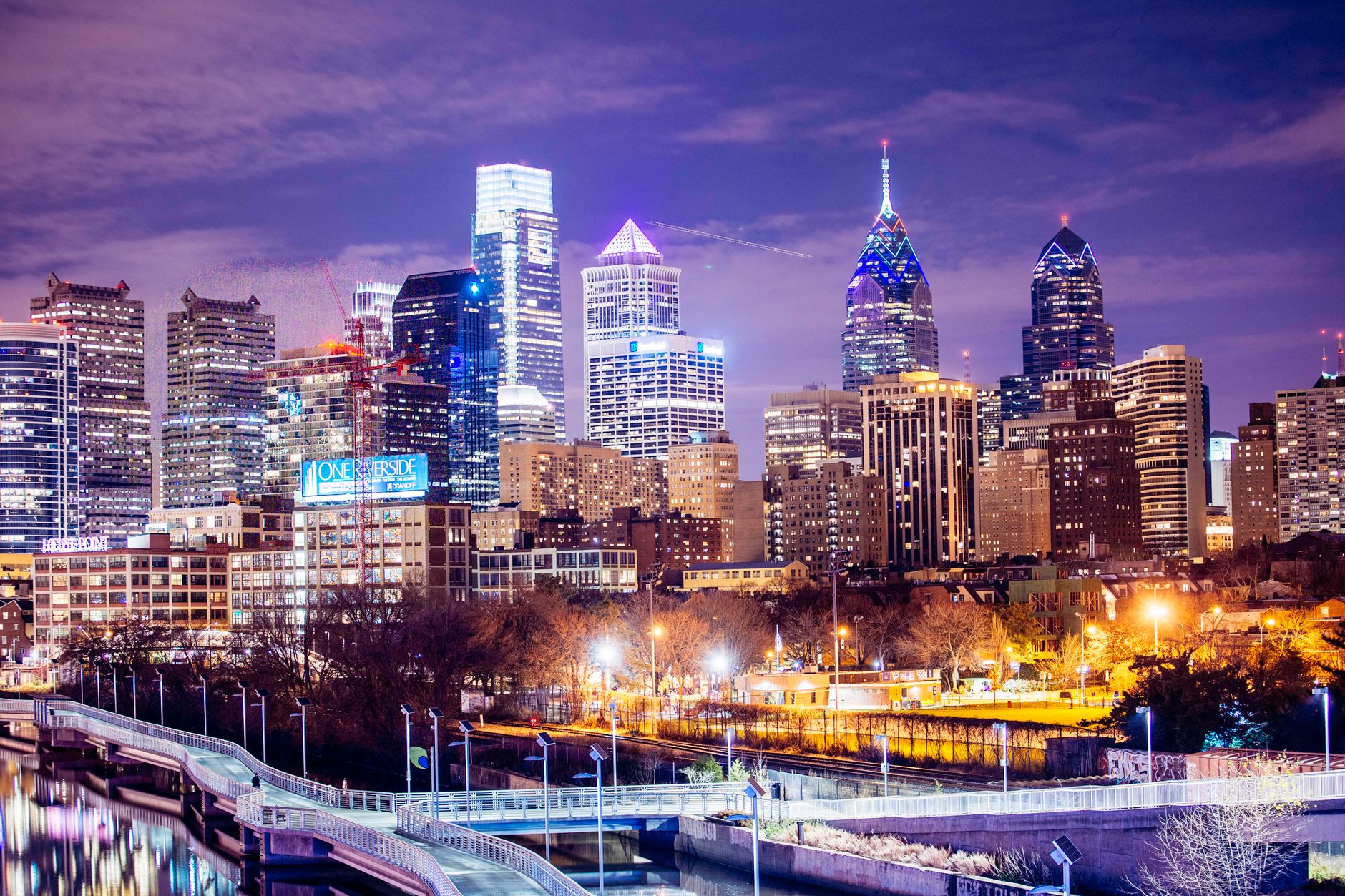
The 10.6% Squeeze on the City of Brotherly Love
10.6 percent. That is the year-over-year jump in energy costs hitting the Philadelphia-Camden-Wilmington region as of December 2025. Add to that a 4.6% increase in shelter costs—driving up both residential anxiety and commercial lease rates—and it becomes immediately clear why operators from Center City to West Philly are feeling an unprecedented margin squeeze. Philadelphia's dining scene has long been celebrated for its grit, immigrant-driven flavor profiles, and neighborhood-centric charm. But the economic data defining early 2026 tells a story of an industry at a brutal crossroads. Operators are wrestling with a unique paradox: they operate in a state with a notoriously low minimum wage, yet they are drowning in a growing patchwork of compliance rules, complex permitting, and shifting neighborhood demands.
The latest BLS regional CPI release (Jan 13, 2026) reveals that while overall food prices grew at a moderate 2.2%, the cost of food away from home (restaurants) climbed 3.3% year-over-year, alongside a staggering 10.6% spike in energy costs.
This misalignment means consumers feel their grocery bills stabilizing, leading them to question rising menu prices, even though restaurants are paying astronomically more to keep the lights on, the grills hot, and the walk-in freezers cold. To understand how operators are surviving this margin crunch, we must examine the intersection of regulatory hurdles, changing consumer psychology, and the undeniable shift toward tech-driven convenience.
The Regulatory Reality: From Streeteries to Scheduling
On paper, Pennsylvania’s labor costs look like a relic from another era.
The state minimum wage remains anchored at $7.25 per hour, with a tipped cash wage allowance of just $2.83 per hour (provided tips bring the worker to the $7.25 threshold, updated recently to a $135/month tip threshold). However, any operator in Philadelphia knows that paying $7.25 an hour will yield exactly zero qualified applicants. The true cost of labor in 2026 is driven by compliance and retention, not the statutory floor.
According to a January 2026 report by Jackson Lewis, Philadelphia employers are navigating a growing multi-jurisdiction patchwork of labor rules. This includes strict wage and hour monitoring, predictive scheduling concerns, and complex data use regulations. But the most visible regulatory battleground is located right on the sidewalk. During the pandemic, outdoor dining was a lifeline.
By December 2020, emergency measures had resulted in 793 outdoor seating permits, a massive surge compared to the roughly 249 sidewalk cafe licenses in operation between 2013 and 2019. Fast forward to today, and the script has flipped. An August 2024 review by the Philadelphia City Controller highlighted that while outdoor dining could serve as a powerful revenue lever and business tax booster, it now faces a paralyzing web of bureaucracy. The application process is incredibly complex, requiring architectural drawings, high licensure fees, steep build and maintenance costs, and militant adherence to strict size and location compliance rules. For many independent operators, the streetery is no longer a symbol of resilience; it is a regulatory liability.
Neighborhood Micro-Climates: The Battle for Baltimore Avenue
Nowhere is the tension between operator survival and neighborhood expectation more palpable than in West Philadelphia, particularly along the Baltimore Avenue corridor from 40th to 52nd Street. Recent longform reporting by Philadelphia Magazine (October 2025) highlights a wave of business closures, prolonged vacancies, and deep community conflict over the future of the corridor's commercial identity. A survey conducted by the Spruce Hill Neighborhood Association revealed a highly contradictory set of consumer demands. Residents voiced a strong desire for community-oriented businesses, local groceries, and garden spaces. They explicitly stated they do not want chains, smoke shops, fast food, or more bars. However, they also pushed back against concepts perceived as 'fancy' or 'overpriced,' while simultaneously rejecting 'cheap' or 'dollar' stores. This places restaurateurs in an impossible psychological tightrope: they must deliver high-quality, community-focused culinary experiences without charging the prices required to cover 10.6% higher energy bills and +3.3% food away from home inflation. If you are struggling with neighborhood churn and community pushback, read our guide on
Why You Should Actually Want a Negative Review (The Service Recovery Paradox) to learn how to turn local friction into long-term loyalty. The result of this neighborhood tension is the rise of the 'business-in-a-box' model. To hedge their bets against unpredictable foot traffic, many new leases are being signed by hybrid vape/smoke shops that feature counter-service 'kitchen-sink' menus. These operations churn out everything from fried chicken and wings to burgers, pizza, cheesesteaks, and gyros under one roof. It is a raw, volume-driven survival tactic designed to capture every possible late-night delivery search query, even if it draws the ire of local civic associations.
Menu Psychology: Nudges, Labels, and the Eco-Conscious Diner
While operators battle inflation on the back end, they are employing new psychological levers on the front end to manage food costs and cater to shifting consumer behaviors. Chain restaurants and large regional hospitality groups are increasingly utilizing health-forward ordering nudges.
A recent JAMA Network Open commentary (December 2023) analyzed large transaction datasets and found that prominent calorie labeling is associated with a 2% to 6% reduction in calories purchased. For operators facing soaring protein costs, nudging consumers toward lighter, lower-cost-to-produce menu items via health transparency is a subtle but effective margin protector. Furthermore, climate impact is officially on the menu. A 2026 Randomized Controlled Trial (RCT) published in the American Journal of Preventive Medicine demonstrated that interpretive climate labels—such as Traffic Light or Warning indicators—led consumers to select meals with significantly lower greenhouse gas emissions. These eco-friendly choices often correlate with plant-based or alternative-protein dishes, which, when engineered correctly, offer superior profit margins compared to traditional beef or seafood entrees.
The Delivery Imperative and Global Supply Chains
With dine-in capacity constrained by red tape and shifting neighborhood loyalty, delivery remains the most reliable growth channel for Philadelphia operators. Grubhub's 2025 Restaurant Leadership Council prominently features Philadelphia-area operators, signaling the city's critical role in the off-premise ecosystem. Third-party platforms are heavily pushing virtual restaurant concepts and digital tools aimed at customer acquisition. In a market where foot traffic is volatile, digital real estate is more valuable than physical window frontage. Likes don't pay rent when delivery is your primary growth channel. Learn more in
Why We Tell Restaurants to Stop Posting on Instagram (And Start Obsessing Over DoorDash). However, fulfilling those digital orders requires a stable supply chain, and Philadelphia operators are deeply exposed to global macro shocks. The Port of Philadelphia (PhilaPort) is a major economic engine, but an April 2025 press release from the PA Governor highlighted the severe operational volatility driven by new international tariffs. Local policymakers specifically noted the dependence on imports along commercial corridors like South Philadelphia's 7th Street. When tariffs spike, the cost of imported specialty ingredients skyrockets overnight, destroying the unit economics of immigrant-influenced and fusion dining spots. Even food and product safety has become a geopolitical headache. A December 2025 FDA safety alert warned against certain imported commercial cookware found to leach lead, forcing restaurants to audit their supply closets and potentially replace expensive kitchen infrastructure at the worst possible economic moment.
Density, Competition, and the Path Forward
Despite the overwhelming headwinds, the entrepreneurial spirit in Philadelphia refuses to die. According to a November 2025 issue brief by Pew on Business Ownership in Philadelphia, the city has seen remarkable growth over the past decade.
Employer firms grew by 15% from 2012 to 2022, reaching approximately 23,980. Even more stunning, nonemployer firms (independent contractors, pop-ups, and solo food entrepreneurs) exploded by 46% to roughly 122,000. Business density now sits at 111 firms per 1,000 residents age 16 and older, up drastically from 82 in 2012. This means the Philadelphia dining market is more saturated and competitive than at any point in modern history. The restaurants that survive 2026 will not be those with the most aesthetic dining rooms or the cleverest Instagram captions. Survival belongs to the hyper-efficient. It belongs to neighborhood institutions like Fairmount's Trio BYOB, a Thai and pan-Asian fusion concept operating successfully since 2006 by weathering recessions, pandemics, and now, historic inflation. It belongs to the Midtown Village operators who pioneered the 13th Street revitalization and understand how to pivot instantly when regulatory winds change. Efficiency means stripping out manual, time-wasting processes from your daily operations. Are you bleeding hours tracking customer feedback across platforms while you should be optimizing your food costs? See
Why Manual Review Management is Killing Your Restaurant's Margins.
Secure Your Reputation in a Volatile Market
In a city where 111 businesses are fighting for the attention of every 1,000 residents, your digital reputation is the ultimate tiebreaker. You cannot control the 10.6% energy inflation, and you cannot force the city to approve your streetery permit faster. But you can control how you appear to the thousands of locals searching for their next meal on Google, Yelp, and DoorDash. Stop letting manual review tracking drain your limited resources. ReviewReport Platform automates your reputation management, unifying your feedback streams so you can focus on what actually matters: running your kitchen and protecting your margins. Upgrade your tech stack and take control of your digital storefront today.