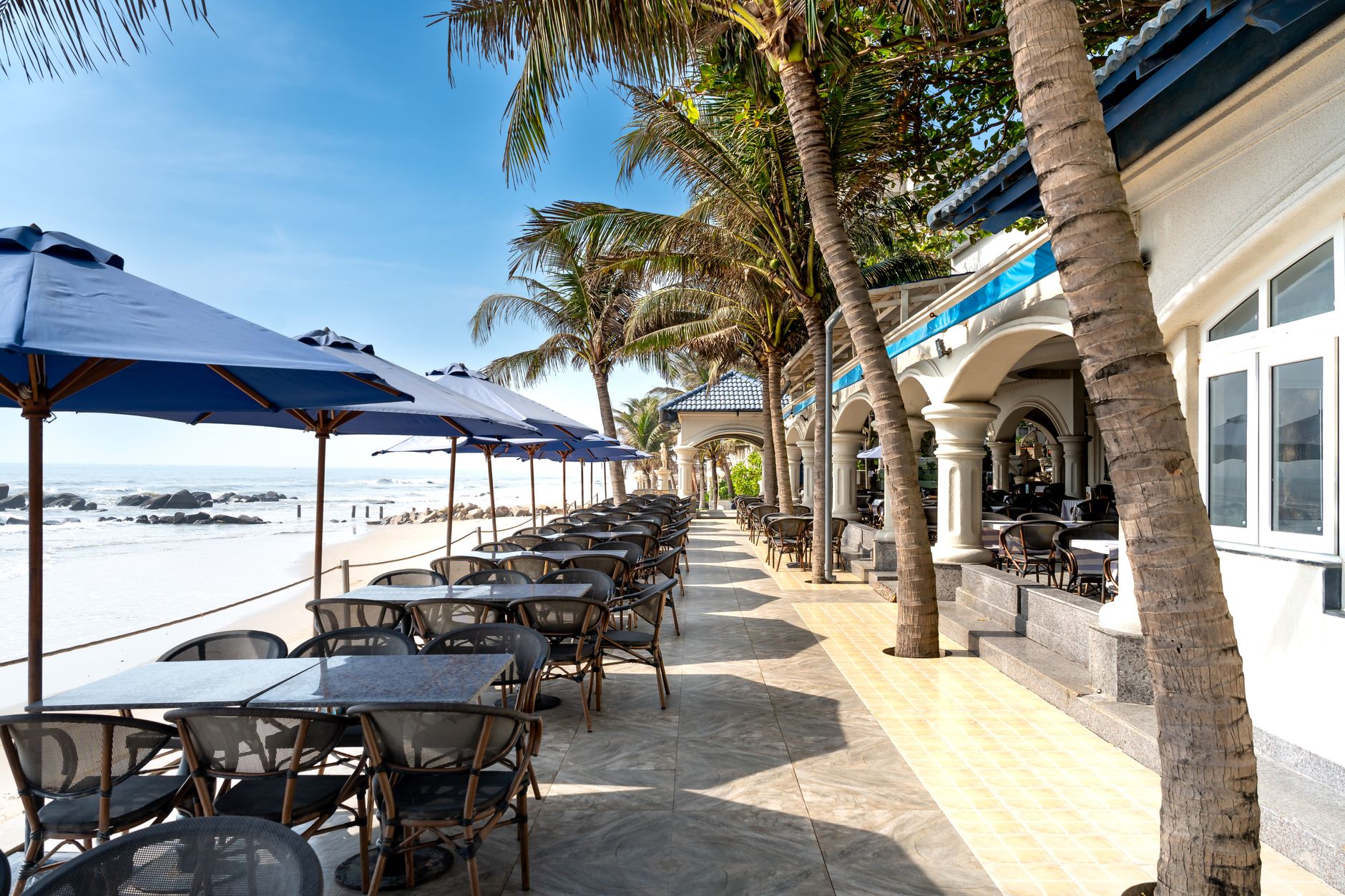
Virginia Beach's tourism economy generated a staggering $3.8 billion in economic impact, yet local restaurateurs are fighting a ruthless 2026 margin war beneath the 'Good Vibes Only' city branding.
The Tug-of-War Between Oceanfront Volume and Tax Burdens
Virginia Beach is fueled by a massive hospitality engine, driven by major festivals, military tourism, and a robust pipeline of attractions like the upcoming Atlantic Park surf park. However, this high-volume visitor demand masks an underlying profitability crisis for local operators. The most immediate threat to check sizes isn't just inflation—it is the city's punitive tax environment.
According to 2024 data from the Tax Foundation, Virginia Beach levies an 11.5% combined tax rate on prepared meals, placing it among the highest in the nation. For an industry already struggling to balance value perception against rising costs, this 'tax penalty' is a severe handicap. When a diner's $100 tab instantly becomes $111.50 before a tip is even calculated, price sensitivity skyrockets. Diners rarely separate the city's tax rate from the restaurant's pricing; they simply perceive the meal as expensive. Much like operators navigating
San Antonio's gross-sales permit trap, Virginia Beach restaurants are finding that high tourism volume does not automatically equate to high profitability when local governments take a double-digit cut off the top. Local operators, alongside the Virginia Beach Restaurant Association, have repeatedly sounded the alarm, noting that this near-12% burden suppresses order frequency, limits add-on sales like appetizers and desserts, and ultimately shrinks the gratuity pool for front-of-house staff.
The $12.77 Wage Floor and the Surge Staffing Crisis
Compounding the tax burden is a shifting labor market.
As of January 1, 2026, the Virginia minimum wage increased to $12.77 per hour, mandated by the Department of Labor and Industry (DOLI). While this establishes a new floor for non-tipped workers, its true impact is felt through wage compression. To maintain a competitive hierarchy, back-of-house roles—from line cooks to dishwashers—require commensurate pay bumps, driving up overall payroll costs. Furthermore, Virginia Beach is inherently seasonal. Staffing up for the summer peak or massive event weekends is a logistical nightmare. When festivals like 'Something in the Water' return, attracting upwards of 10,000 extra people per day to the Resort Area, restaurants are forced to implement surge staffing. This requires operators to carry heavier payrolls during volatile demand windows. Off-event periods can be materially softer, leaving operators caught between over-staffing a quiet Tuesday or under-staffing a surprise weekend rush.
22.9% Energy Spikes and Regional Inflation
The broader macroeconomic environment is heavily pressuring the South region's restaurant supply chain.
Over the 12 months ending May 2026, the CPI-U for the South region showed all items rising by 3.9%. However, digging into the sub-sectors reveals the true pain points for Virginia Beach kitchens. Consumer spending on 'food away from home' has risen 3.6% year-over-year, significantly outpacing the 2.0% rise in grocery prices ('food at home'). This widening gap intensifies the eat-out versus cook-at-home tradeoff, meaning consumers expect flawless execution and high perceived value when they do choose to dine out. More alarming is the 22.9% year-over-year spike in energy costs. For coastal operators running commercial HVAC units 24/7 through humid Virginia summers, this utility shock is devastating. It echoes the pain felt by operators facing
Tucson's utility shocks, where cooling costs effectively erase thin profit margins. This energy volatility also trickles down into delivery fuel surcharges and supplier freight fees, making inventory drastically more expensive to land on the loading dock.
The Event Logistics Paradox and Coastal Risks
Operating at the Oceanfront or within the ViBe Creative District comes with a unique set of logistical headaches. Major events inject millions into the local economy—
the 2019 iteration of Something in the Water drove over $21.76 million in local economic impact and pushed regional hotel occupancy past 86%. However, these events also trigger massive road closures, strict parking enforcement, and crowd control barriers. For restaurants outside the immediate footprint of the festival, or those relying on local regulars, these logistical hurdles act as a barrier to entry. Regulars stay home to avoid the traffic, and if festival-goers don't replace that lost revenue, operators can actually lose money on the city's busiest weekends. Beyond human-made logistical hurdles, Virginia Beach operators face an ever-present coastal risk profile. Business insurance guidance in the region heavily emphasizes hurricane exposure and seasonal business interruptions. Standard Business Owner Policies (BOPs) typically exclude flood coverage and often feature crippling named-storm deductibles. A single severe weather event during the peak summer season can wipe out weeks of revenue, making robust cash reserves and comprehensive continuity planning non-negotiable.
The B2B Outsourcing and Tech Pivot
To survive this multi-front margin war, Virginia Beach restaurateurs are aggressively optimizing their operations. The long-term consumer shift toward prepared meals—now accounting for 49% of U.S. food expenditures—guarantees demand, but capturing that demand requires a leaner, tech-forward approach. We are seeing a rapid emergence of operational support services tailored to the region. For instance, commercial laundry services like Washed have launched targeted pickup and delivery for local restaurant linens and uniforms. By outsourcing non-core tasks, operators are freeing up precious labor hours and mitigating staffing constraints. Simultaneously, the delivery and tech ecosystem is expanding. Point-of-Sale companies like SpotOn are heavily recruiting local sales roles to push AI-driven profit tools, while Grubhub continues to deploy grant programs to support multicultural and local spots, such as a recent AANHPI-owned grant awarded to a Virginia Beach café. The reliance on off-premise dining remains critical. If you are still prioritizing aesthetic social media posts over your digital ordering infrastructure, read our guide on
Why We Tell Restaurants to Stop Posting on Instagram (And Start Obsessing Over DoorDash).
Reputation Warfare in a Hyper-Transparent Era
In a market defined by massive tourism spikes, public perception is everything. The Virginia Department of Health strictly enforces Food Establishment Permits and maintains public databases of inspection reports. Moreover, with the CDC tracking widespread illnesses—such as the
1,194 norovirus outbreaks reported in NoroSTAT states including Virginia between August 2025 and May 2026—food safety transparency is paramount. A single health inspection misstep or a wave of negative reviews following an overwhelmed festival weekend can permanently damage a restaurant's standing on Google and Yelp. Mastering the art of
handling emotionally charged reviews during these high-stress event windows is what separates the legacy restaurants from the closures. When an out-of-town guest leaves a 1-star review because they couldn't find parking due to Atlantic Avenue closures, your response strategy dictates how future diners perceive your brand.
Survival Strategies for the Virginia Beach Market
The 2026 economic reality for Virginia Beach operators demands precision. Relying solely on summer tourism foot traffic is a recipe for insolvency. Restaurants thriving in nodes like Town Center, the ViBe District, and Atlantic Avenue are deploying hyper-localized menus, engineering their pricing to absorb the 11.5% tax shock without alienating diners, and leveraging AI-driven POS systems to trace every ounce of food waste. They are outsourcing laundry, tightening their off-premise digital funnels, and treating their online reputation as their most valuable asset.
Take Control of Your Digital Footprint
In a market where tourists rely entirely on Google and Yelp to decide where to spend their $111.50 (post-tax) dining budget, you cannot afford to let unmanaged reviews define your business. Stop manually tracking feedback across a dozen different apps. ReviewReport's AI-driven reputation management platform consolidates your Google, Yelp, and delivery app reviews into one dashboard. Automate your responses, intercept negative feedback before it goes public, and leverage our sentiment analysis to fix operational bottlenecks before they cost you the summer season. Secure your local SEO dominance and turn your digital storefront into your strongest revenue driver today.